Agreements and boundaries
Starting from shared rules
The group explored respect, shared living and safety, making collective expectations visible. The handwritten rules are not decorative: they document an actual part of the learning process.
Training course · Erasmus+ KA153-YOU
Safeguarding and group management: learning to build spaces where everyone can feel welcomed, heard and safe.
 MARINA DI LEPORANO · 2026
The project
A learning environment does not become safe by chance. It calls for attention, clear agreements, listening and the ability to notice when something is not working.
SAFE-HI brought together 24 people involved in youth work from six European countries in Marina di Leporano. Throughout the training course, participants explored safeguarding, risk prevention, personal boundaries, conflict management and group dynamics.
The course relied on non-formal education: practical exercises, shared experiences, group discussions and cooperative activities, with room for different perspectives.
Listening, boundaries and responsibility: shared agreements form part of the learning process.
Inside the training
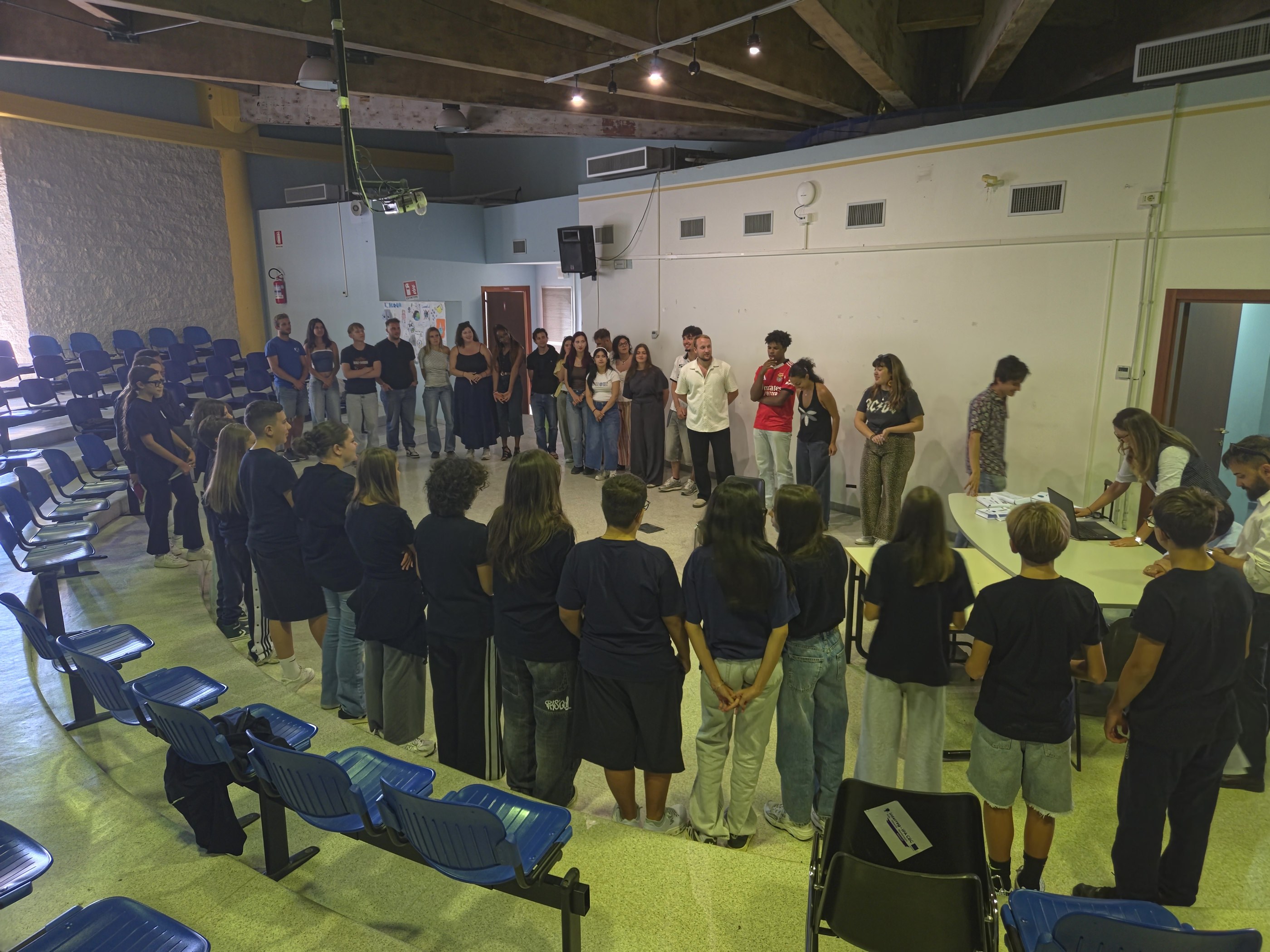
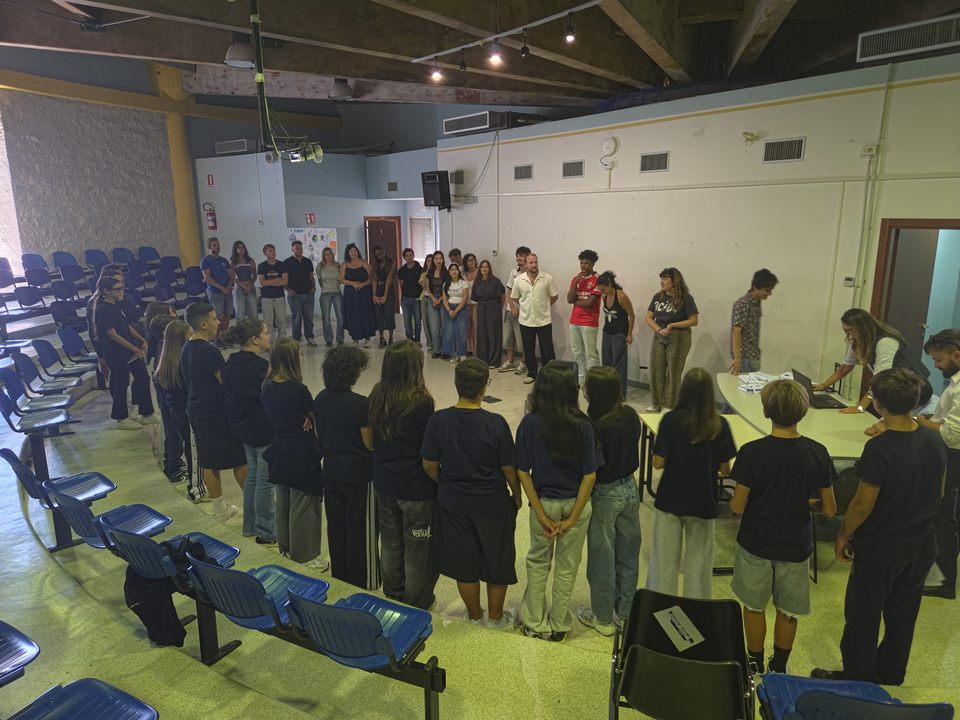
The programme moved between indoor sessions and outdoor activities. The photographs show participants engaging with one another, creating shared materials and reflecting together in small and larger groups.
Another part of the training moved beyond the venue: participants designed and facilitated activities in two schools, working with students aged 12–18 on respect, inclusion, active listening, digital safety and shared rules for a safer classroom.
Agreements and boundaries
The group explored respect, shared living and safety, making collective expectations visible. The handwritten rules are not decorative: they document an actual part of the learning process.
Cooperation
Collaborative exercises and group work put communication, listening and adaptability into practice. Even coordination challenges can become opportunities to rethink facilitation.
Reflection
Discussions addressed recognising risks, dealing with unexpected situations and conflicts, and ways to sustain an inclusive group atmosphere without overlooking discomfort.
What we take home
SAFE-HI does not end with the mobility. The group also developed practical outcomes: a checklist to help prepare safer, more inclusive learning spaces and shared agreements on listening, respect and personal boundaries. These are tools participants can adapt in their youth work.
Recognising risks and discomfort while prioritising safety and wellbeing.
Working with timing, listening, participation and diverse group dynamics.
Responding to misunderstandings and unexpected situations with greater awareness.
Nurturing trust, respect for boundaries and shared responsibility.
Videos and voices
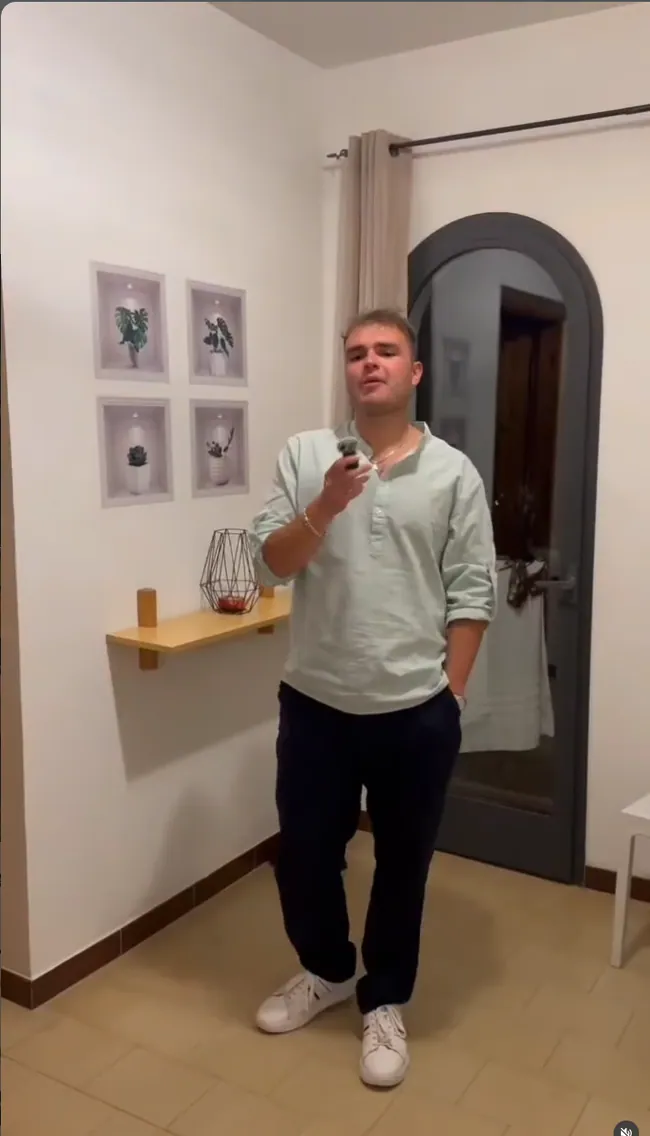
Not a video for each day, but seven perspectives on the same training. From identifying signs of safe relationships to the challenges of living together, from games about stereotypes to skills to bring back to youth work, these posts share concrete moments and participants’ voices.
A series of playful questions and interviews exploring behaviours that may arise during an Erasmus+ mobility: personal boundaries, inclusion, living together and creating places where everyone feels safe. Humour becomes a way to open a conversation about safeguarding and group management.
View the post on InstagramParticipants reflect on relationships that began during mobility, intercultural evenings, shared rooms and small disagreements. Behind the lighter tone, the video touches on central training topics: listening, group dynamics and more thoughtful ways of handling difficulties.
View the post on InstagramFood, impossible sleep schedules, lost room keys and coffee turning into an emergency: participants play with Erasmus+ stereotypes while exploring unexpected situations, shared living and well-being during an international experience.
View the post on InstagramA collaborative activity challenges communication, cooperation and adaptability, including across language barriers. The post highlights an essential part of the training: safeguarding also grows through listening to others and working together.
View the post on InstagramSome participants think they are answering questions about risk management, discrimination and the project. Instead they have to stop a timer at exactly three seconds. Beyond the laughs, the game builds trust and reveals how people respond when events do not go to plan.
View the post on InstagramIn the final reflections, participants identify learning they can take back to their organisations and youth groups: leadership, facilitation, conflict resolution, collaboration and the ability to create safer, more inclusive environments.
View the post on InstagramA look back at the Italian intercultural night, when participants introduced and danced the pizzica, connecting the group to a Salento tradition. A moment of music and participation that was still being shared after the mobility ended.
View the post on InstagramPhoto archive
Faces, workshop posters and collaborative work capture the encounters and ideas that shaped the training.