Youthpass is a certificate issued to participants in Erasmus+ youth activities. It provides a framework for recognising and describing the competences developed through non-formal learning.
The Youthpass ceremony marked both an achievement and a farewell: participants reflected on the learning journey they had shared and the relationships formed during the exchange.
Youthpass originated within the Youth in Action programme, now part of Erasmus+ Youth, to make learning more visible, transparent and recognisable.
It is also a tool for giving recognition to non-formal education, helping participants identify and explain the skills, knowledge and attitudes they have developed.
Learn more about Youthpass.
Come è fatto
The certificate is structured in two parts. One records the participant and the project; the other describes learning outcomes and competences reflected upon by the participant.
- competenza multilinguistica
- competenza personale, sociale e capacità di imparare ad imparare
- competenza sociale e civica in materia di cittadinanza
- competenza imprenditoriale
- competenza in materia di consapevolezza ed espressione culturali
- competenza digitale
- competenza matematica e competenza di base in scienze e tecnologie
- competenza alfabetica funzionale.
As well as confirming participation in activities, it encourages awareness of learning through a process of self-assessment.
In short, Youthpass is
- confirmation of participation in an activity from its organisers
- a description of the activity, for example a youth exchange, volunteering or youth worker mobility
- an individualised account of activities and learning outcomes
- a certificate for someone taking part in Erasmus+ programme activities
- a tool linked to key competences for lifelong learning
- firmly based on the principles of non-formal education and learning
- supported by the European Commission’s Erasmus+ programme
- a way to make learning in Erasmus+ more visible
- an accessible description of Erasmus+ activities, including for readers outside the youth sector.
Specificità e valore aggiunto di Youthpass
Youthpass is more than a certificate: it invites young people to reflect on how and what they have learned and to recognise the value of that experience.
Spendibilità del certificato
Although it does not constitute a formal qualification in Italy, Youthpass can help communicate non-formal learning experiences in educational, training and professional contexts.
Youthpass nei numeri
Historical data cited in the original project materials refer to 53,457 certificates issued in Italy between 2007 and 2017 and approximately 750,000 in Europe during that period.
Secret Friend is an informal group activity popular in international youth exchanges.
Its aim is to make sure everyone feels included and cared for throughout the experience.
At the beginning, each person who wishes to take part draws another participant’s name. Without revealing the name, they then find small ways to show attention and kindness to their Secret Friend during the exchange.
For example, someone who draws Andrea’s name might leave an encouraging note, offer help or make a thoughtful gesture. The point is not to buy gifts but to pay attention to one another.
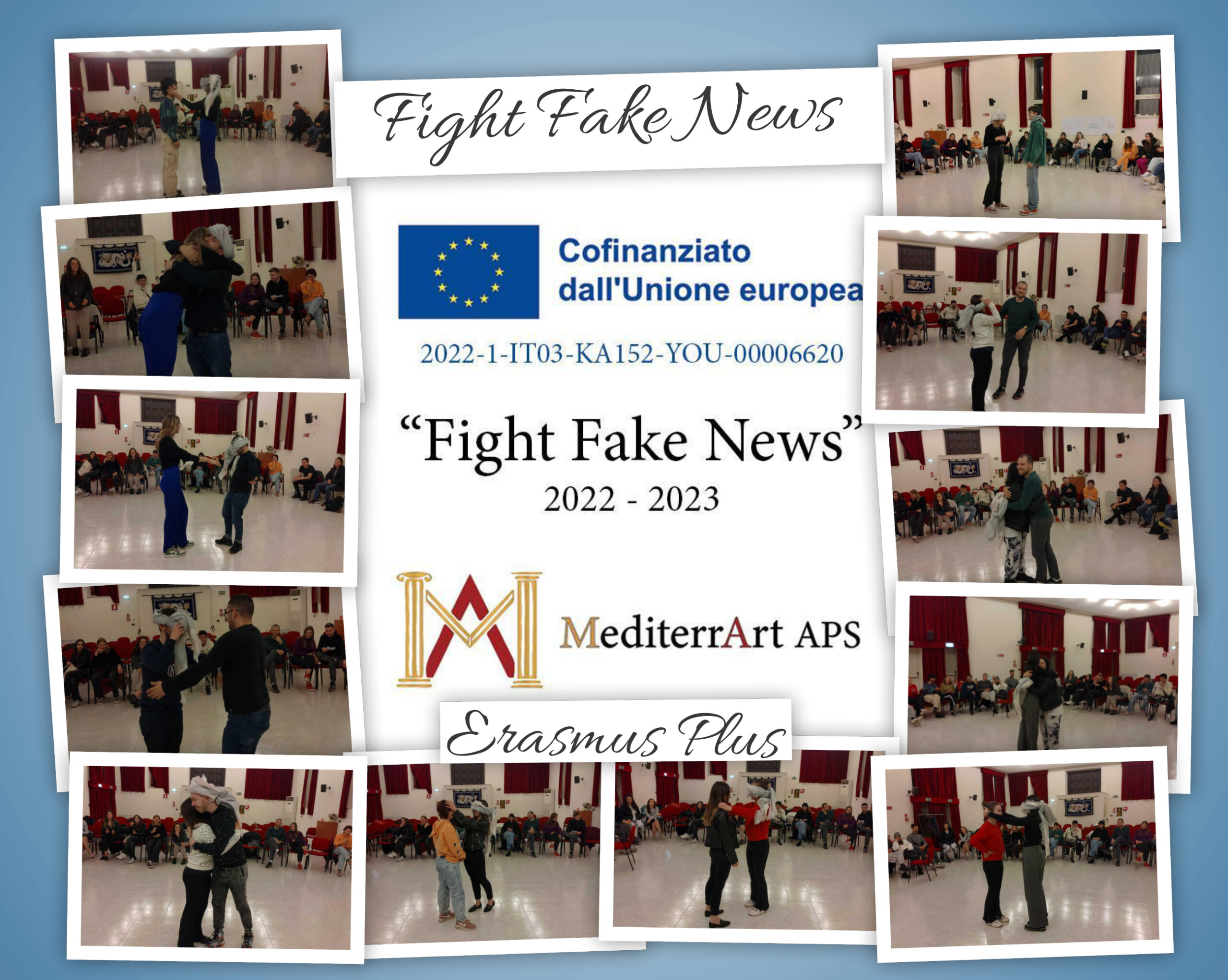
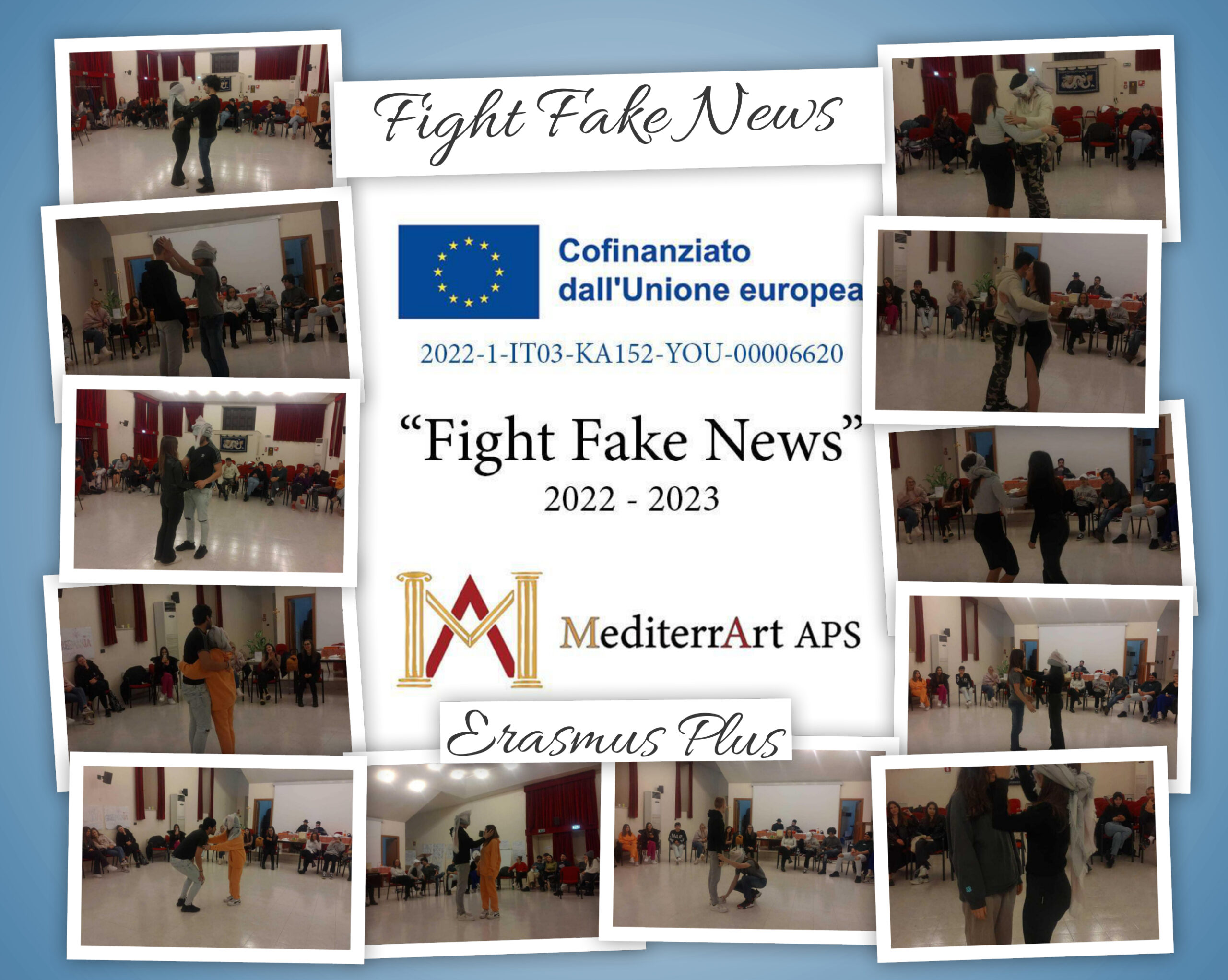
The photographs document the Secret Friend reveal, when participants discover who has been looking out for them during the exchange.